


Cold Press Sesame Oil Process
Cold Press Sesame Oil Process: A Complete Guide to Producing Premium Sesame Oil
Introduction
Cold-pressed sesame oil has gained increasing popularity among health-conscious consumers, organic food brands, and premium edible oil producers. Unlike traditional hot pressing methods, the cold press sesame oil process extracts oil at relatively low temperatures, helping preserve the natural nutrients, antioxidants, flavor compounds, and original characteristics of sesame seeds.
For investors planning a sesame oil processing project, understanding the complete cold pressing process is essential when selecting the right sesame oil extraction equipment and determining the most suitable production strategy.
We will explains each stage of the cold press sesame oil process, the equipment involved, the advantages and limitations of cold pressing, and whether further refining is necessary.
What Is Cold-Pressed Sesame Oil?
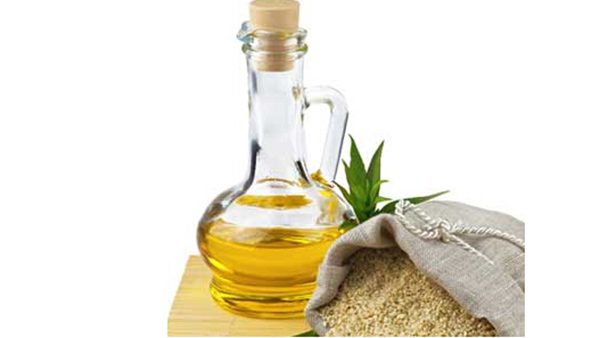
Cold-pressed sesame oil is produced by mechanically extracting oil from sesame seeds without high-temperature roasting.
During production, the extraction temperature is typically controlled at a relatively low level to minimize nutrient loss and prevent excessive oxidation.
Compared with conventional hot pressing, cold pressing focuses on:
- Preserving natural nutrients
- Maintaining original sesame flavor
- Producing premium-quality edible oil
- Meeting organic and health-food market requirements
As consumer demand for natural and minimally processed foods continues to grow, cold-pressed sesame oil has become an attractive product with higher market value.
Why Choose the Cold Press Sesame Oil Process?
Many producers choose cold pressing because it offers several unique advantages.
Better Nutrient Retention
Cold pressing helps preserve:
- Vitamin E
- Natural antioxidants
- Sesamin
- Sesamolin
- Unsaturated fatty acids
These compounds contribute to the nutritional value and stability of sesame oil.
Natural Flavor and Color
Because the seeds are not heavily roasted, the resulting oil maintains a lighter flavor profile and a more natural appearance.
Reduced Oxidation
Lower processing temperatures reduce thermal degradation and oxidation, helping maintain product quality.
Premium Market Positioning
Cold-pressed sesame oil is often sold at higher prices than conventional sesame oil, making it attractive for specialty oil brands and export markets.
Detailed steps of Cold Pressed Sesame Oil Process
Step 1: Sesame Seed Cleaning
The quality of the final oil begins with proper raw material preparation.
Fresh sesame seeds may contain:
- Dust
- Sand
- Stones
- Metal fragments
- Plant residues
These impurities can negatively affect oil quality and cause equipment wear.
Recommended Equipment
A sesame seed cleaning system typically includes:
- Vibrating screen
- Destoner
- Magnetic separator
- Dust removal system
Proper cleaning improves extraction efficiency and helps protect downstream machinery.
Step 2: Sesame Seed Conditioning
Unlike hot pressing, cold pressing does not require roasting.
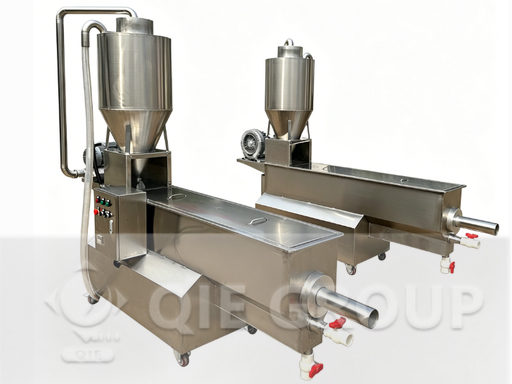
However, the seeds may undergo conditioning to achieve suitable moisture levels before extraction.
Proper conditioning helps:
- Improve pressing efficiency
- Reduce equipment wear
- Enhance oil flow characteristics
This stage must be carefully controlled to ensure the oil remains within cold-press production standards.
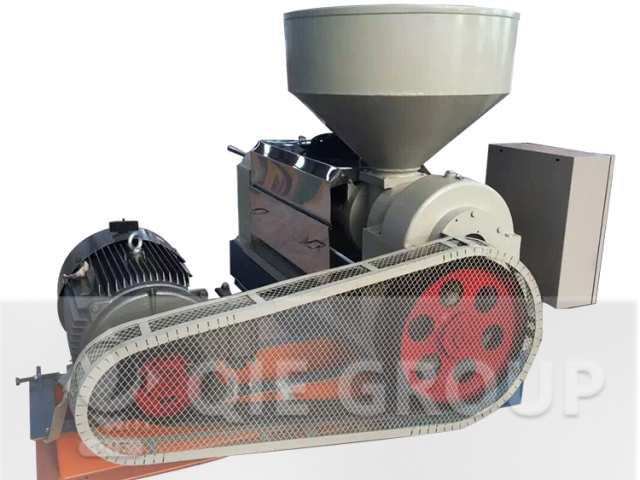
Step 3: Cold Press Oil Extraction
This is the core stage of the entire process.
The conditioned sesame seeds are fed into a cold press oil machine where a screw shaft gradually compresses the material and releases oil.
How Cold Press Extraction Works
Inside the oil press:
- Sesame seeds enter the feeding section.
- Compression gradually increases.
- Oil is squeezed from the seed structure.
- Crude oil flows through screen openings.
- Press cake is discharged from the outlet.
Because no high-temperature roasting is used, the oil retains more of its natural properties.
Main Equipment
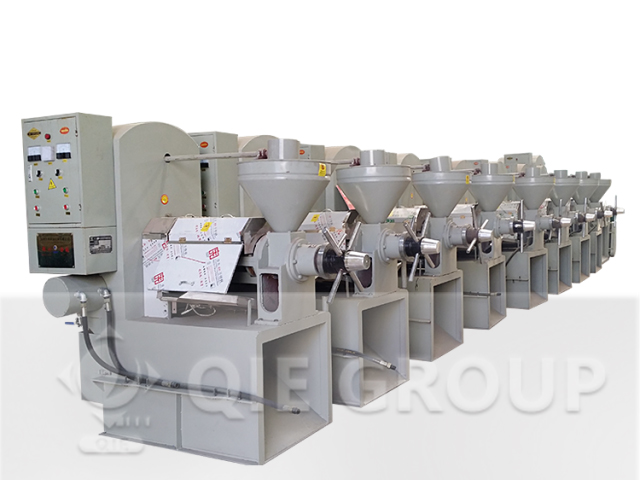
- Cold press sesame oil machine
- Screw oil press
- Feeding system
- Oil collection tank
Typical Oil Yield
Oil yield depends on:
- Sesame seed variety
- Seed moisture
- Pressing conditions
- Equipment quality
As a general reference:
Processing 1,000 kg of Sesame Seeds
Cold Press:
- Oil output: approximately 380–420 kg
- Press cake: approximately 580–620 kg
Actual results may vary depending on raw material quality and operating conditions.
Producers seeking maximum oil recovery may consider the hot press sesame oil process, which generally achieves higher extraction efficiency.
Step 4: Crude Oil Filtration
Freshly pressed oil contains fine suspended particles.
These impurities may include:
- Sesame meal particles
- Fiber residues
- Fine solids
Filtration improves oil clarity and appearance.
Common Filtration Equipment
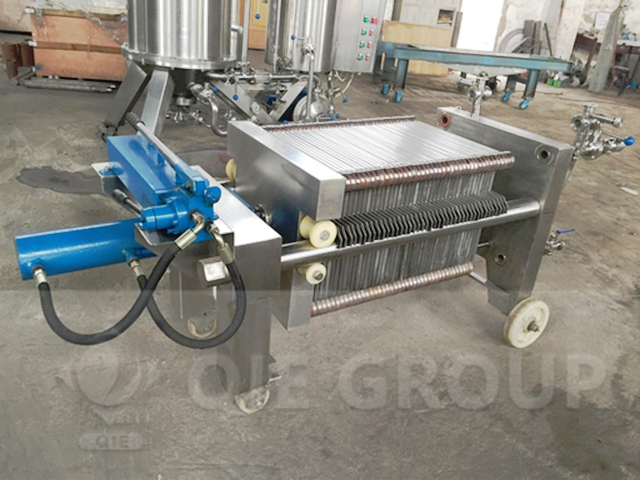
- Plate and frame filter press
- Leaf filter
- Centrifugal oil filter
The filtered oil may be sold directly in some premium markets or sent for additional refining.
Does Cold-Pressed Sesame Oil Need Refining?
One of the most common questions among investors is whether cold-pressed sesame oil requires refining.
The answer depends on the target market.
Direct Sale After Filtration
Many producers sell filtered cold-pressed sesame oil directly because consumers prefer:
- Natural appearance
- Minimal processing
- Original nutritional value
Refining for Commercial Markets
Refining may be beneficial when:
- Exporting edible oil
- Supplying supermarkets
- Producing bottled retail products
- Extending shelf life
- Improving color consistency
To learn more, read our complete Sesame Oil Refining Process guide.
Recommended Equipment Configuration
A complete cold press sesame oil production line may include:
Seed Preparation Section
- Sesame seed cleaner
- Destoner
- Magnetic separator
Oil Extraction Section
- Cold press oil machine
- Screw oil press
- Oil collection system
Filtration Section
- Oil filter
- Storage tank
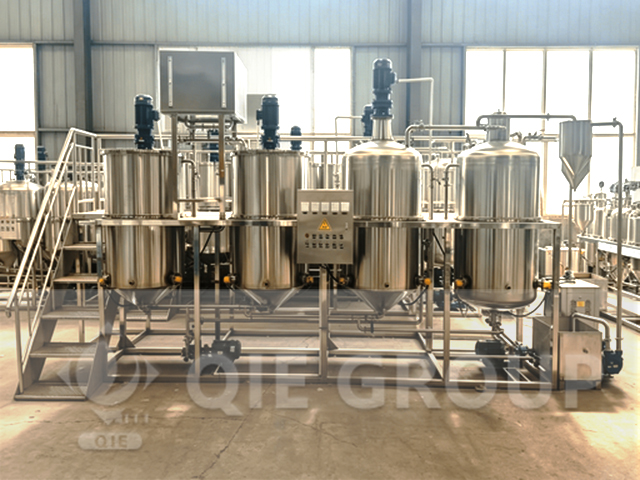
Optional Refining Section
- Degumming system
- Bleaching system
- Deodorization system
The equipment configuration can be customized according to capacity requirements and project budget.
Cold Press vs Hot Press Sesame Oil Process
Before investing in equipment, many producers ask whether cold pressing or hot pressing is the better choice.
| Item | Cold Press | Hot Press |
|---|---|---|
| Processing Temperature | Low | High |
| Nutrient Retention | High | Moderate |
| Sesame Aroma | Mild | Strong |
| Oil Yield | Lower | Higher |
| Energy Consumption | Lower | Higher |
| Product Positioning | Premium | Mass Market |
| Selling Price | Higher | Standard |
Generally, producers targeting premium edible oil markets prefer cold pressing, while those seeking maximum oil recovery often choose hot pressing.
For a detailed comparison, see our Hot Press Sesame Oil Process guide.
Who Should Choose Cold Pressing?
Cold pressing is particularly suitable for:
- Organic sesame oil producers
- Premium edible oil brands
- Health food manufacturers
- Small and medium-sized oil mills
- Export-oriented businesses
If your goal is to maximize product value rather than simply maximize oil yield, cold pressing is often the preferred solution.
Conclusion
The cold press sesame oil process is an effective method for producing high-quality edible oil with excellent nutritional value and market appeal. By carefully controlling raw material preparation, extraction conditions, and filtration, producers can create premium sesame oil products that meet growing consumer demand for natural and minimally processed foods.
For businesses seeking higher oil recovery and stronger sesame aroma, the Hot Press Sesame Oil Process may be worth exploring. If your target market requires improved appearance, stability, and shelf life, consider integrating a Sesame Oil Refining Process into your production line.