


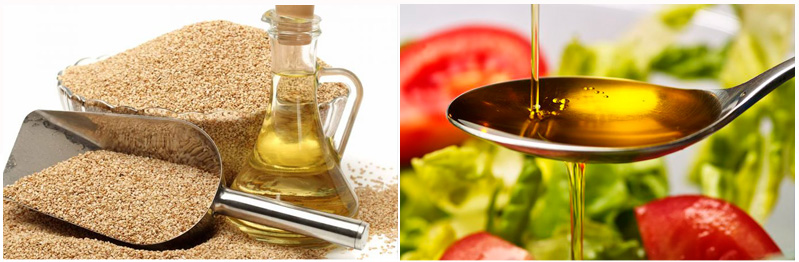
Hot Press Sesame Oil Process
Hot Press Sesame Oil Process: How to Maximize Oil Yield and Flavor
Introduction
Hot pressing is one of the most widely used methods for commercial sesame oil production. Unlike cold pressing, the hot press sesame oil process includes a roasting stage before oil extraction. This additional step significantly improves oil release from the seeds while developing the rich aroma and flavor that consumers commonly associate with traditional sesame oil.
For many edible oil manufacturers, hot pressing provides an excellent balance between oil quality, production efficiency, and profitability. It is particularly suitable for producers targeting cooking oil markets where strong sesame flavor and high oil yield are important purchasing factors.
We explain every stage of the hot press sesame oil process, the equipment required, expected oil yield, and how hot pressing compares with cold pressing.
What Is Hot-Pressed Sesame Oil?
Hot-pressed sesame oil is produced by roasting sesame seeds before mechanical oil extraction.
The roasting process changes the physical structure of the seeds and triggers a series of chemical reactions that enhance aroma and improve oil recovery.
Compared with cold pressing, hot pressing offers:
- Higher oil yield
- Stronger sesame aroma
- Better extraction efficiency
- Lower residual oil in the press cake
- Improved profitability for large-scale production
For these reasons, hot pressing remains the preferred choice for many commercial sesame oil factories worldwide.
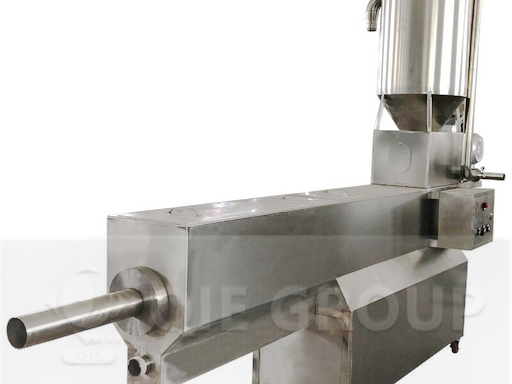
Why Is Hot Pressing So Popular?
Many investors focus primarily on oil yield and production cost.
Since sesame seeds are relatively expensive, extracting more oil from every ton of raw material can significantly improve profitability.
Example
Assume a factory processes:
- 10 tons of sesame seeds per day
- 300 operating days per year
If hot pressing increases oil recovery by only 3%, the additional annual oil production can be substantial.
This is one reason why many commercial producers choose hot pressing rather than cold pressing.
Steps in the hot-pressed sesame oil process
Step 1: Sesame Seed Cleaning
The production process begins with raw material preparation.
Sesame seeds may contain:
- Dust
- Stones
- Metal particles
- Plant debris
- Sand
Failure to remove these impurities can reduce oil quality and damage equipment.
Cleaning Equipment
A typical cleaning section may include:
- Vibrating screen
- Destoner
- Magnetic separator
- Aspiration system
Proper cleaning improves production stability and reduces maintenance costs.
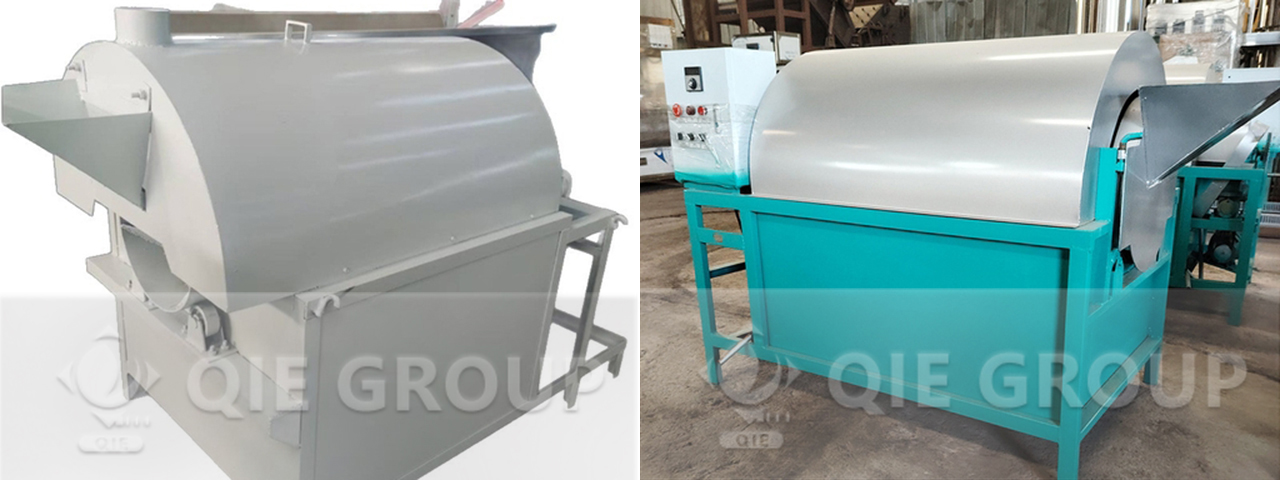
Step 2: Sesame Seed Roasting
Roasting is the most important stage in the hot press sesame oil process.
It is during this step that sesame develops its characteristic aroma and becomes easier to extract.
Why Roasting Improves Oil Yield
Sesame seeds contain oil within cellular structures.
During roasting:
- Cell walls soften and break down.
- Oil viscosity decreases.
- Oil flows more easily.
- Moisture content is adjusted.
- Mechanical extraction becomes more efficient.
As a result, more oil can be recovered during pressing.
Why Roasting Improves Flavor
Roasting triggers chemical reactions that generate aromatic compounds.
These reactions create:
- Nutty flavor
- Toasted aroma
- Rich sesame fragrance
The roasting process is therefore critical not only for oil yield but also for final product quality.
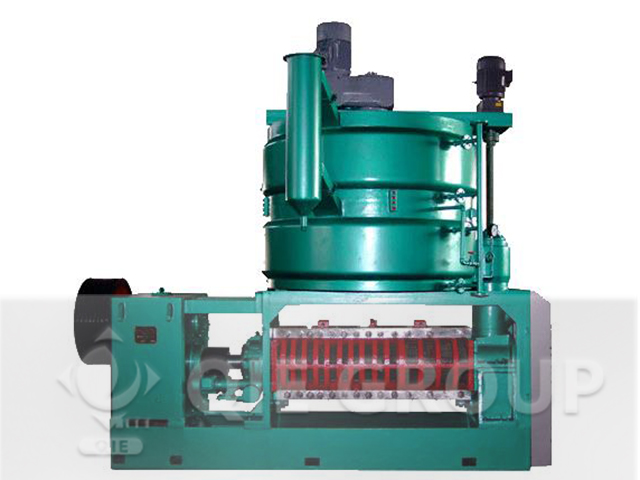
Step 3: Hot Press Oil Extraction
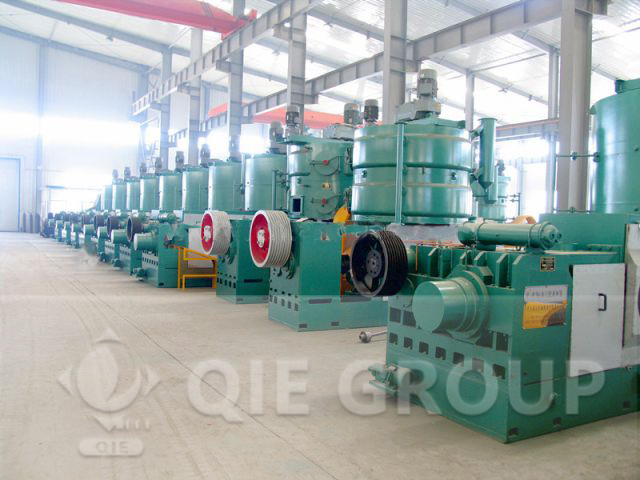
After roasting, sesame seeds are transferred to the screw oil press.
The heated seeds are compressed inside the press chamber where oil is separated from the solid material.
Advantages of Hot Press Extraction
Compared with cold pressing:
- Higher throughput
- Better oil recovery
- Lower residual oil content
- Improved economic performance
This stage produces:
- Crude sesame oil
- Sesame press cake
The press cake can often be used in animal feed or other value-added applications.
Typical Oil Yield
Oil yield varies according to:
- Sesame variety
- Seed quality
- Roasting conditions
- Equipment performance
Example: Processing 1,000 kg of Sesame Seeds
Hot Press:
- Oil output: approximately 420–460 kg
- Press cake: approximately 540–580 kg
Compared with cold pressing, the oil recovery is generally higher.
This additional yield often translates into significant long-term financial benefits for producers.
Step 4: Crude Oil Clarification
Freshly extracted oil contains fine solids and suspended particles.
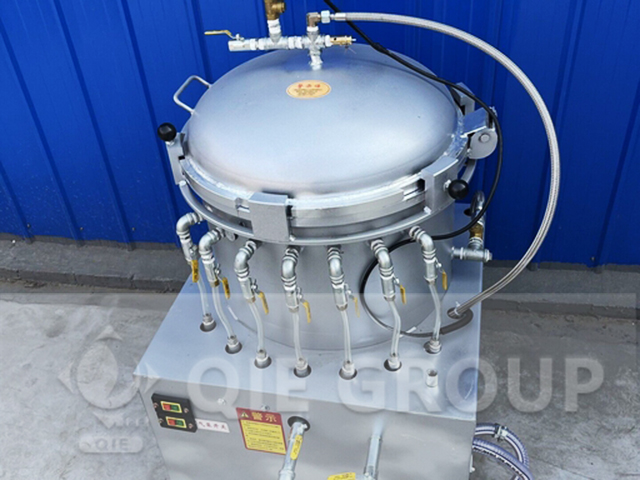
To improve appearance and quality, the crude oil is filtered before storage.
Common Filtration Equipment
- Plate and frame filter press
- Leaf filter
- Centrifugal oil filter
Benefits include:
- Improved clarity
- Reduced sediment
- Better product appearance
- Enhanced storage stability
After filtration, some producers sell the oil directly, while others continue with refining.
Should Hot-Pressed Sesame Oil Be Refined?
The answer depends on your target market.
Direct Sale
Many traditional sesame oil producers sell filtered oil directly because consumers appreciate its strong aroma and characteristic color.
Refining for Commercial Applications
Refining becomes more important when producing:
- Bottled retail cooking oil
- Export products
- Food processing ingredients
- Long shelf-life products
Refining can improve:
- Color consistency
- Oxidation stability
- Product appearance
- Storage performance
To learn more, see our complete Sesame Oil Refining Process guide.
Equipment Required for a Hot Press Sesame Oil Production Line
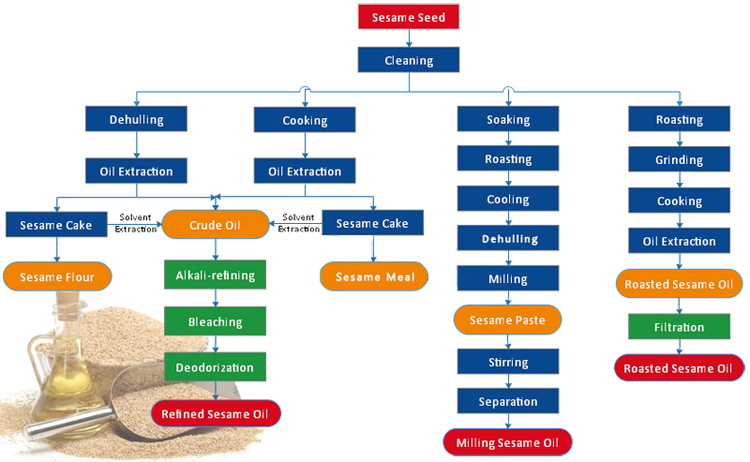
A complete production line typically includes:
Raw Material Preparation
- Sesame seed cleaner
- Destoner
- Magnetic separator
Roasting Section
- Sesame roasting machine
- Temperature control system
Oil Extraction Section
- Screw oil press
- Feeding conveyor
- Oil collection system
Oil Purification Section
- Oil filter
- Storage tanks
Optional Refining Section
- Degumming equipment
- Bleaching equipment
- Deodorization equipment
The equipment configuration can be customized according to production capacity and investment budget.
Suitable Capacity Range
Hot press sesame oil production lines are widely used in:
Small Scale Projects
- 1–10 TPD
Suitable for:
- Small oil mills
- Local edible oil brands
- Start-up businesses
Medium Scale Projects
- 10–50 TPD
Suitable for:
- Commercial sesame oil factories
- Regional cooking oil suppliers
Large Scale Projects
- 50 TPD and above
Suitable for:
- Industrial edible oil manufacturers
- Export-oriented processing plants
Cold Press vs Hot Press Sesame Oil
Before selecting equipment, it is important to understand the differences between the two methods.
| Item | Cold Press | Hot Press |
|---|---|---|
| Roasting Required | No | Yes |
| Oil Yield | Lower | Higher |
| Flavor Intensity | Mild | Strong |
| Nutrient Retention | Higher | Moderate |
| Processing Complexity | Simpler | More Complex |
| Product Positioning | Premium Health Oil | Traditional Cooking Oil |
| Production Efficiency | Moderate | High |
Generally:
- Cold pressing prioritizes nutritional preservation.
- Hot pressing prioritizes flavor development and oil recovery.
If your target market values natural and minimally processed oils, you may also be interested in our Cold Press Sesame Oil Process guide.
Which Process Is More Profitable?
There is no universal answer.
Choose Cold Pressing If:
- You target premium markets.
- You produce organic oils.
- Product quality is the primary selling point.
Choose Hot Pressing If:
- You want maximum oil recovery.
- You focus on production efficiency.
- Traditional sesame flavor is important.
- You operate a commercial-scale oil mill.
Many successful producers use hot pressing because the additional oil yield can significantly improve overall profitability.
Conclusion
The hot press sesame oil process is one of the most efficient and commercially proven methods for sesame oil production. By combining controlled roasting with mechanical oil extraction, producers can achieve higher oil yield, stronger flavor, and better economic returns.
For manufacturers targeting health-conscious consumers and premium edible oil markets, the Cold Press Sesame Oil Process may be a better option. For producers seeking longer shelf life, improved appearance, and export-grade oil quality, integrating a Sesame Oil Refining Process after extraction can further enhance product value and market competitiveness.